Stamped & Decorative Concrete
Get the luxury look of stone, brick, or tile at a fraction of the cost with custom stamped and decorative concrete.
The Beauty of Stamped Concrete
Stamped concrete gives you the high-end look of natural stone, brick, slate, or wood without the high-end price tag. Concrete stamping works by pressing patterns into fresh concrete to create textures and designs that look incredibly realistic. Most people can't tell the difference between stamped concrete and real stone until they get up close. The best part is you get all this beauty with the durability and low maintenance that concrete is known for.
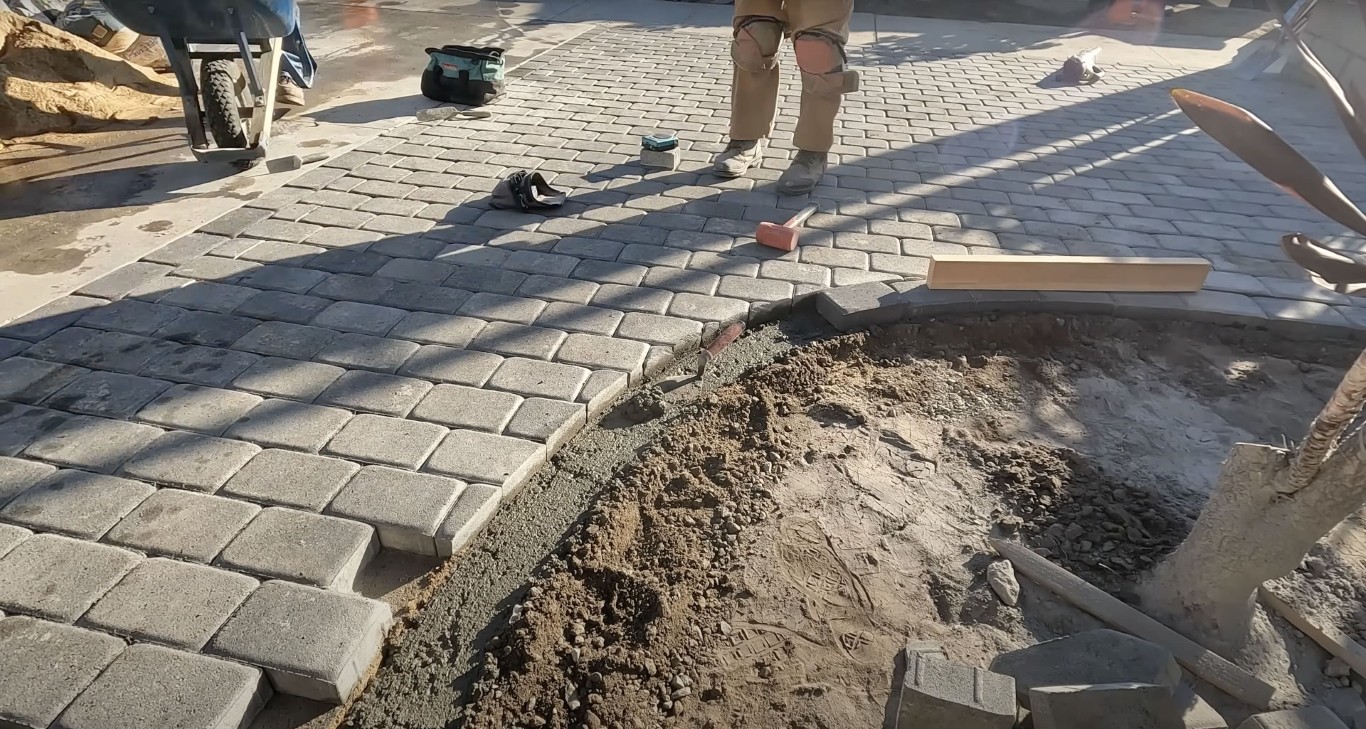
Think about what real flagstone or slate costs to install. The materials are expensive, installation takes forever because each piece needs to be set individually, and you're paying skilled labor for days or weeks. Stamped concrete costs a fraction of that and goes in much faster. Plus, unlike real pavers or stone, stamped concrete won't shift, settle, or grow weeds between the pieces. You get the look without the headaches.
The design possibilities are almost unlimited. We can create patterns that look like cobblestone streets, rustic slate, elegant travertine, weathered wood planks, or traditional brick. We can mix patterns too, like using a different stamp for borders than we use in the field. Add custom colors and you have a truly one of a kind surface that reflects your personal style and complements your home's architecture.
Popular Patterns and Styles
Here are some of the stamped concrete patterns homeowners in Weston love most. Each one creates a different look and feel for your outdoor space.
Natural Stone Patterns
Ashlar slate, random stone, and fieldstone patterns mimic the irregular shapes and textures of natural stone. These work beautifully for patios, walkways, and pool decks. The random nature of the patterns means no two installations look exactly alike. We can adjust the grout lines and textures to create anything from a rustic mountain cabin feel to a refined Mediterranean courtyard.
Wood Plank Designs
Wood plank stamps create surfaces that look like weathered wood boards or reclaimed barn wood. This style is perfect for porches, patios, and indoor areas where you want the warmth of wood without the maintenance. The grain patterns and knots look authentic, and you can stain the concrete in wood tones that range from light pine to dark walnut. You get all the beauty of wood with none of the rot, splinters, or termite problems.
Tile and Brick Patterns
Classic brick running bond patterns never go out of style. They work for driveways, walkways, and traditional home designs. Tile patterns like hexagons or decorative Mediterranean designs add elegance to pool decks and entryways. These geometric patterns are more formal and structured than random stone looks. They're great when you want a clean, organized appearance.
Custom and Specialty Stamps
We have access to dozens of specialty stamps for unique projects. Fan patterns, circular designs, texture skins that create smooth or rough finishes, and even custom stamps for logos or emblems. If you have a specific vision, chances are we can make it happen with the right combination of stamps and techniques.
Color Options That Bring Your Design to Life
Color is what takes stamped concrete from good to amazing. We use several coloring techniques, often combining them for the most realistic results. Here's how we add color to your project.
- •Integral color: This color gets mixed right into the concrete before we pour it. The color goes all the way through, so if the surface gets chipped or worn, the same color shows underneath. It's the most durable color option.
- •Color hardener: We broadcast colored powder onto the wet concrete surface and work it in. This creates a harder, more wear-resistant surface while adding vibrant color. It's perfect for high-traffic areas.
- •Antiquing or highlighting: After stamping, we apply accent colors to the grooves and texture lines. This creates depth and makes the pattern look more three-dimensional and realistic, just like weathered stone.
- •Acid staining: Chemical stains react with the concrete to create variegated, translucent colors with unique character. No two acid-stained surfaces look exactly alike. The effect is subtle and natural.
- •Water-based stains: These provide more color options and more consistent results than acid stains. We can layer them to create custom hues or use them to add highlights to stamped patterns.
We often combine multiple color techniques on one project. For example, we might use integral color as the base, add color hardener for durability, then apply an antiquing release to highlight the texture. This layered approach creates the most realistic and attractive results. When you visit our portfolio or see samples, you'll notice how the colors and patterns work together to create surfaces that rival expensive natural materials.
The Stamping Process and Timeline
Concrete stamping requires skill, timing, and teamwork. The window for stamping is short, so everything needs to be planned and executed perfectly. Here's how we make it happen. Site prep comes first, just like any concrete project. We excavate, grade for drainage, build forms, and install reinforcement. Getting this foundation work right is critical because stamped concrete can't hide defects the way some other finishes can.
On pour day, we bring in the concrete crew and our stamping specialists. As soon as the concrete is placed and leveled, we start adding color if we're using hardener. Then comes the crucial timing part. The concrete needs to be firm enough to hold the stamp pattern but soft enough to accept the impression. Too early and the pattern smears. Too late and the stamps won't press in deep enough. Our crew monitors the concrete constantly and knows exactly when conditions are right.
We apply release agent to keep the stamps from sticking, then press each stamp firmly into the concrete. We overlap them carefully to create seamless patterns and walk on the stamps to ensure full impression depth. After stamping the entire surface, we let it cure for a day, then wash off excess release and apply sealers. The sealer protects your investment and enhances the colors. Most stamped concrete projects take 2 to 4 days depending on size. Then you'll need to stay off the surface for about a week while it fully cures. The wait is worth it when you see the finished result.
Frequently Asked Questions
These are the questions people ask most about stamped and decorative concrete.